 Cygnus Institute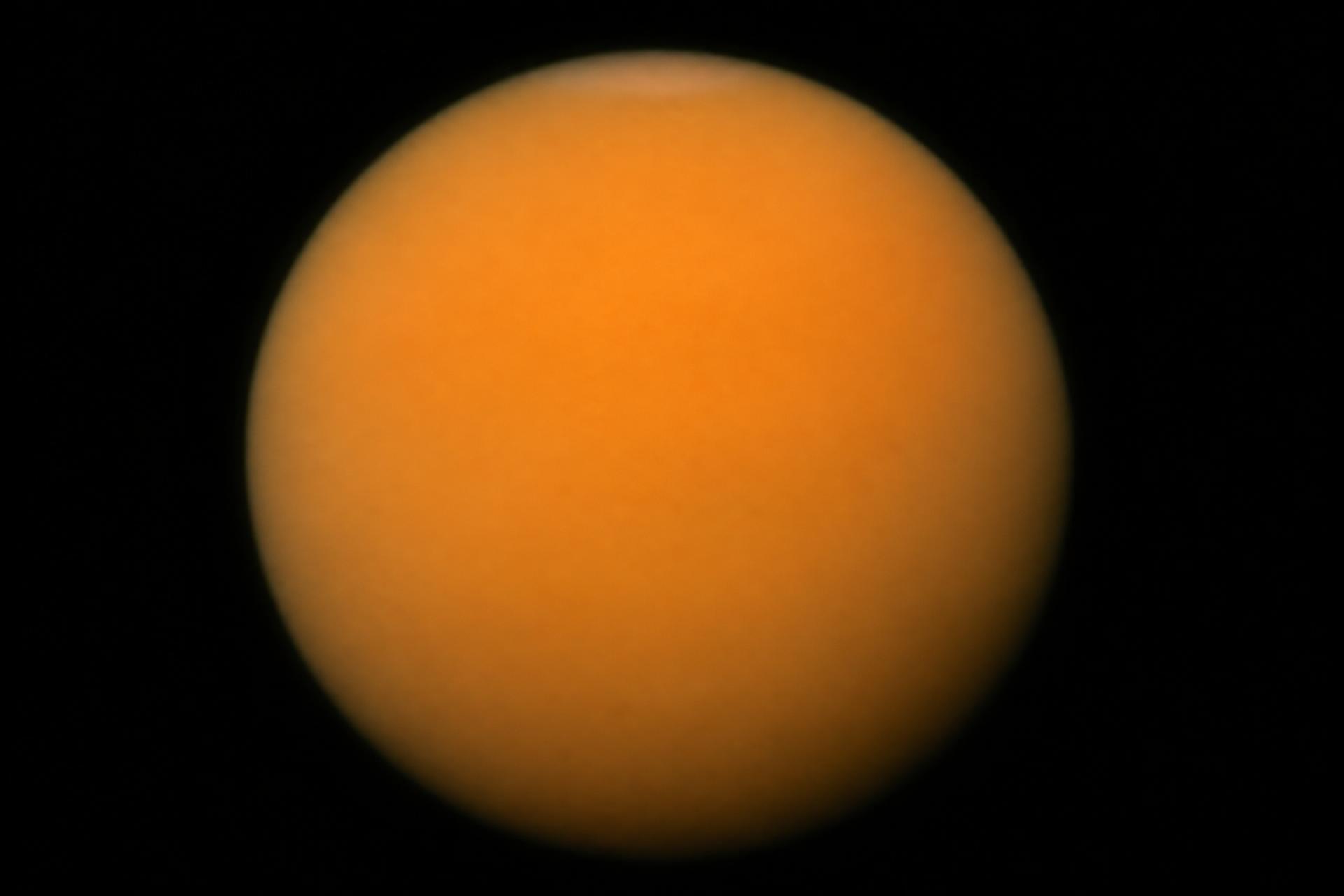
Constraint V · Nitrogen
The wall is nitrogen.The only depotis Titan.
§08Constraint V · Nitrogen · Centerpiece
Two target atmospheres bracket the problem: a Denver-equivalent minimum, and Earth-identical.
| Target | Total P | pO₂ | pN₂ | N₂ mass |
|---|---|---|---|---|
| Denver-equivalent minimum | 570 mbar | 160 mbar (28%) | 400 mbar | 1.55×10¹⁸ kg |
| Earth-identical | 1013 mbar | 213 mbar (21%) | 780 mbar | 3.03×10¹⁸ kg |
Martian supply
Atmospheric N₂ = 3.9×10¹⁴ kg
Deficit factor: ~4,000×
Deficit factor: ~4,000×
Crustal nitrate (Gale, SAM)
70–1,100 ppm NO₃ · mid-estimate 300 ppm
→ 68 ppm elemental N
→ 68 ppm elemental N
To obtain 1.55×10¹⁸ kg N from crust
You would processthe entire crustof the planet.
Process 2.3×10²² kg regolith (mid-estimate)
Martian crust ≈ 2.2×10²² kg
Martian crust ≈ 2.2×10²² kg
Even at 1,100 ppm NO₃ high-end: ~28% of the crust.
Titan, the depot
Atmosphere · 9.06×10¹⁸ kg
~95% N₂ · ~8.6×10¹⁸ kg
~95% N₂ · ~8.6×10¹⁸ kg
Fraction of Titan required
Denver-equivalent: 18% of Titan's atmosphere
Earth-identical: 35%
Earth-identical: 35%
Δv ladder · Titan surface → Mars
| Stage | Δv (km/s) |
|---|---|
| Titan escape | 2.64 |
| Saturn escape from Titan's orbit | 2.31 |
| Heliocentric transfer 9.58 → 1.52 AU | 4.59 |
| Mars arrival (aerocapture) | ~0 |
| Total | ~9.5 |
Interactive · Iteration 03
Δv Ladder · Titan surface → Mars
Cumulative Δv
0.00KM/S
Energy floor (ideal)
0 J
½ · 1.55×10¹⁸ kg · v²
At 30–50% propulsion efficiency ≈ 0 to 0 J
At 30–50% propulsion efficiency ≈ 0 to 0 J
Hover or tap a leg to isolate it. Total ~9.5 km/s from Titan's surface to the Martian atmosphere.
Energy floor
½ · 1.55×10¹⁸ · (9.5×10³)² = 7.0×10²⁵ J (ideal)
At 30–50% propulsion efficiency ≈ 1.5–2.3×10²⁶ J
At 30–50% propulsion efficiency ≈ 1.5–2.3×10²⁶ J
This single term dominates the entire energy budget, an order of magnitude larger than oxygenation. The cost of Mars is the cost of hauling nitrogen across eight astronomical units.